Source Folded Leg Press Machine for Home Gymnasium Park
Compare 30 folded leg press machines from verified manufacturers in China. These commercial-grade units feature steel construction, manual power sources, and customizable options for home, gymnasium, and park applications.
Key considerations
Products List




Comprehensive Sourcing Guide
Folded Leg Press Machine Sourcing Guide
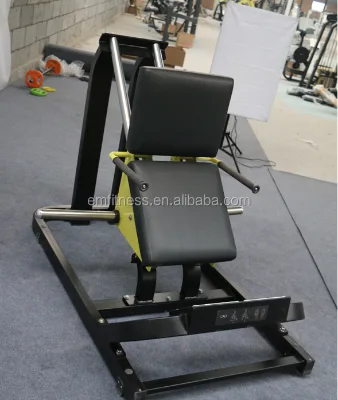
The folded leg press machine represents a specialized category of strength training equipment designed for users seeking to target the leg muscles while optimizing floor space. Based on observed market listings, these units are engineered for commercial and institutional environments, including home gyms, gymnasiums, parks, and community centers. The "folded" designation in the product title often refers to the storage state or the structural configuration, yet the observed data indicates that the primary operational state for these specific models is "unfolded," suggesting the folding mechanism may be a secondary feature or a misnomer in certain listings. Buyers must distinguish between machines that are permanently fixed and those designed for compact storage, as the structural integrity of the frame is paramount when the unit is deployed for heavy resistance training.
Procurement of these machines requires a clear understanding of the target user demographic and the specific mechanical requirements of the leg press exercise. The observed product attributes confirm that these units are designed for unisex adult use, with a specific focus on the leg exercise part. The construction typically utilizes steel, specifically Q235 grade steel tubes, which provides the necessary rigidity to handle significant stack weights. When sourcing, buyers should verify that the "folded" aspect of the product name aligns with the actual physical dimensions and operational mode, ensuring the machine fits the intended facility layout without compromising the stability required for safe leg pressing.
Product Scope and Observed Listing Signals
The current market for leg press machines displays a wide variance in specifications, with observed listing prices ranging from $131 to $4,999 USD. This broad price spectrum reflects differences in build quality, component materials, and the intended application environment, ranging from light commercial use to heavy-duty gymnasium installations. The minimum order quantity (MOQ) for these units is flexible, with observed ranges spanning from 1 piece to 50 pieces, allowing buyers to procure single units for testing or small facilities, or larger batches for bulk outfitting. The "Commercial" grade designation found in the product data suggests that many of these units are built to withstand high-frequency usage, a critical factor for gym owners and facility managers.
A critical signal in the product listings is the diversity of model numbers and standard dimensions, indicating a highly customized manufacturing landscape. Models such as HS-H025, HS-A018, and TZ-8102 are associated with specific standard dimensions, such as 2040 x 1580 x 1250 mm or 235018561500 mm, which buyers must cross-reference with their facility's floor plans. The packaging methods vary between wooden boxes, plywood cases, and wooden boxes with pallets, which directly impacts shipping costs and the condition of the equipment upon arrival. Buyers should carefully review the "Appliance" field, which lists Home, Gymnasium, Park, and Community, to ensure the selected model is rated for the specific environment where it will be installed.
Technical Specifications to Verify
The structural integrity of a leg press machine is primarily determined by the tube thickness and the grade of steel used in the frame. Observed specifications highlight a tube thickness of 3.0mm and the use of Q235 steel, which are standard indicators of a robust frame capable of supporting heavy loads. However, buyers must verify these figures for each specific model, as variations exist; for instance, some listings specify a tube size of 50*100mm, while others may differ. The "unfolded" state of the machine implies that the frame must be rigid enough to prevent wobbling during the press, making the verification of tube dimensions and steel grade a non-negotiable step in the technical review process.
The mechanical components, including pulleys, cables, and weight stacks, are equally critical to the machine's performance and longevity. The observed data points to the use of aluminum alloy pulleys and nylon & aluminum pulley combinations, which offer a balance of durability and smooth operation. The cable specification of 7X19 indicates a braided steel cable construction, which is essential for handling the tension generated during leg presses. Additionally, the weight pin is noted as aluminum, and the stack weight can reach up to 95kg, while the machine itself may weigh 210kg. Buyers should confirm that the pulley system and cable assembly are compatible with the intended stack weight to ensure smooth resistance and prevent premature wear.
Compliance and Safety Documentation
Safety and regulatory compliance are paramount when sourcing fitness equipment, particularly for commercial and public use. The observed product data frequently lists CE and ISO certifications, with specific mentions of CE, ISO, and ISO9001. These certifications indicate that the manufacturer adheres to specific European safety standards and quality management systems, which is a strong indicator of a reliable production process. Buyers must request valid certification documents for the specific model they intend to purchase, as the presence of a certification mark on a listing does not guarantee that the specific unit shipped carries the same compliance status.
In addition to general certifications, the documentation should include detailed safety warnings and assembly instructions that align with the machine's specific mechanical design. The "Exercise Part: Leg" designation confirms the intended use, but the safety documentation must explicitly address the risks associated with leg pressing, such as pinching hazards or improper loading. For machines intended for parks or community centers, the safety features must be robust enough to withstand unsupervised use. Buyers should verify that the product origin, whether from China, Shandong, or Dezhou, aligns with the country of import regulations, ensuring that the equipment meets local safety standards before installation.
Cost Drivers and Commercial Terms
The final cost of a folded leg press machine is influenced by several key drivers, including the material grade, the complexity of the mechanical assembly, and the packaging requirements. The use of Q235 steel and aluminum alloy components contributes to the base material cost, while the inclusion of a wooden box or plywood case adds to the shipping weight and volume. The observed MOQ of 1 piece allows for low-risk procurement, but buyers should be aware that unit prices may decrease with larger orders, potentially falling within the lower end of the observed $131-$4,999 range. The "Business Type" being listed as Manufacturer/Factory suggests that buyers may have the opportunity to negotiate directly with the production source, potentially reducing intermediary costs.
Commercial terms such as OEM/ODM availability and customization options play a significant role in the total cost of ownership. The data confirms that OEM/ODM services are available, allowing buyers to brand the equipment or modify specifications to meet unique facility needs. However, customization often incurs additional costs and may extend lead times. The "Colour: Optional" attribute indicates that buyers can select specific finishes, such as black or silver grey, which may affect the price. Buyers should clarify whether the quoted price includes the cost of the specific color, packaging type, and any custom branding before finalizing the purchase agreement.
Supplier Qualification and Quality Control
Selecting a qualified supplier is essential to ensure the reliability and safety of the leg press machine. The observed data identifies the business type as Manufacturer/Factory, which is a positive indicator of direct control over the production process. Buyers should verify the supplier's location, with options including China, Shandong, and Dezhou Shandong, to assess logistics capabilities and potential shipping costs. The presence of specific model numbers and detailed specifications suggests a level of standardization, but buyers must confirm that the supplier has a consistent track record of producing units that match the listed technical data.
Quality control measures should be a central part of the supplier evaluation process. Buyers should inquire about the supplier's internal testing protocols, particularly regarding the structural integrity of the steel frame and the durability of the pulley and cable systems. The "Grade: Commercial" designation implies that the equipment is built for high usage, but this claim must be backed by evidence of rigorous quality assurance. Suppliers should be able to provide test reports or references from other commercial clients to validate their quality control standards. Additionally, the packaging method, whether wooden box or plywood case, should be evaluated to ensure it protects the equipment during transit, preventing damage that could compromise safety.
Long-Term Procurement Checks
Sourcing a leg press machine is not a one-time transaction but the beginning of a long-term relationship that requires ongoing maintenance and support. Buyers should establish clear expectations regarding warranty coverage, spare parts availability, and technical support. The "Customization: Available" attribute suggests that the supplier may offer tailored solutions, but buyers must ensure that these custom parts are readily available for future repairs. The "Product Packing" details, such as the wooden box or plywood case, should be reviewed to determine if the packaging can be reused for storage or if it is single-use, which impacts long-term logistics.
Regular inspections of the equipment are necessary to maintain safety and performance over time. Buyers should develop a maintenance schedule that includes checking the tension of the 7X19 cables, inspecting the aluminum weight pins for wear, and verifying the stability of the steel frame. The "Folded: Unfolded" attribute indicates that the machine is primarily used in an unfolded state, but if the folding mechanism is utilized, it requires regular lubrication and inspection to prevent mechanical failure. By maintaining a proactive approach to equipment care, buyers can extend the lifespan of the leg press machine and ensure a safe environment for all users.
FAQs
What is the standard tube thickness for these leg press machines?
The standard tube thickness is 3.0mm. This specification ensures structural integrity for commercial and home use. Buyers should verify this dimension against their safety requirements and expected user load capacity.
Which certifications are available for these leg press machines?
Available certifications include CE, ISO, and RoHS. These certifications indicate compliance with international safety and quality standards. Ensure the specific certificate matches your regional regulatory requirements before ordering.
What is the minimum order quantity for these machines?
The minimum order quantity is 1 piece. This low MOQ allows for small batch testing or single unit procurement. It is suitable for gyms, parks, or home users who do not require bulk purchasing.
Can these leg press machines be customized for specific needs?
Yes, customization is available for these machines. Buyers can request specific colors, branding, or structural modifications. OEM and ODM services are supported, allowing for tailored product development based on your specifications.
What is the typical packaging method for these machines?
Machines are typically packed in wooden boxes or plywood cases. Some models may include pallets for easier handling. This packaging protects the steel structure during international shipping and storage.
What is the primary material used in the frame?
The primary material is steel, specifically Q235 grade steel tube. This material provides the necessary strength and durability for leg press exercises. The frame is designed to withstand regular commercial use.
Where are these leg press machines manufactured?
These machines are manufactured in China, with specific origins including Shandong and Dezhou. The location indicates a concentration of fitness equipment production in this region. Verify the specific factory location for logistics planning.